
Harnessing the Power of Data: How Restaurants Can Leverage Technology for Business Insights
Leverage restaurant data and technology for actionable insights to improve operations, sales, and customer experience.
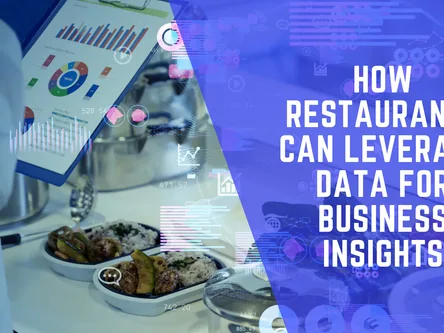
In today’s digital age, data has become a valuable asset for businesses across various industries, and the restaurant sector is no exception. The ability to gather and analyze data offers restaurants invaluable insights into customer preferences, operational efficiency, and overall performance.
In this article, we’ll explore the role of data analytics in modern restaurant operations and highlight how restaurants can leverage technology to harness the power of data for better decision-making and improved performance.
Understanding the Importance of Data Analytics
Data analytics involves the collection, interpretation, and utilization of data to gain meaningful insights and inform strategic decisions. For restaurants, this means leveraging technology to gather data from various sources, such as point-of-sale (POS) systems, online ordering platforms, customer feedback, and social media interactions.
By analyzing this data, restaurants can gain a deeper understanding of their customers’ behavior, preferences, and spending patterns.
Improving Customer Experience
One of the primary benefits of data analytics for restaurants is the ability to enhance the customer experience. By analyzing customer data, restaurants can personalize marketing efforts, tailor menu offerings to meet customer preferences, and optimize service delivery.
For example, data analytics can help identify popular menu items, peak dining hours, and customer demographics, allowing restaurants to provide a more tailored and efficient dining experience.
Enhancing Operational Efficiency
Data analytics can also play a crucial role in improving operational efficiency and reducing costs. By analyzing operational data, such as inventory levels, staff performance, and sales trends, restaurants can identify areas for improvement and implement more efficient processes.
For instance, data analytics can help optimize inventory management, streamline kitchen operations, and optimize staffing levels based on demand fluctuations.
Marketing and Menu Optimizations
Data analytics enables restaurants to fine-tune their marketing strategies and menu offerings to better align with customer preferences. By analyzing customer data and feedback, restaurants can identify which marketing channels are most effective in reaching their target audience and tailor their campaigns accordingly.
Additionally, data analytics can help restaurants optimize their menus by identifying which dishes are the most popular and profitable, as well as which items may need to be revamped or removed altogether.
Encouraging Return Visitors
Another key benefit of data analytics is its ability to drive customer loyalty and encourage return visits. By analyzing customer data, restaurants can identify patterns in customer behavior and preferences, allowing them to create targeted promotions and loyalty programs that incentivize repeat business.
Additionally, data analytics can help restaurants personalize the dining experience for individual customers, making them feel valued and more likely to return in the future.
Leveraging Technology Solutions
To effectively harness the power of data, restaurants need access to robust technology solutions that streamline data collection, analysis, and reporting. This may include POS systems with built-in analytics capabilities, customer relationship management (CRM) software, and business intelligence platforms.
By investing in the right technology solutions, restaurants can unlock the full potential of their data and gain a competitive edge in the industry.
In an increasingly competitive restaurant landscape, data analytics has emerged as a powerful tool for driving business success. By leveraging technology to gather and analyze data, restaurants can gain valuable insights into customer behavior, improve operational efficiency, and make informed business decisions.
From marketing and menu optimizations to encouraging return visitors, data analytics empowers restaurants to deliver exceptional dining experiences and stay ahead of the curve in a rapidly evolving industry.
See what INFI can do for your restaurant
Add self-ordering, online ordering, loyalty, and marketing on top of the POS you already run.
Book a Demo