
The Future of Quick-Service Restaurants: Embracing Kiosk Technology
The future of QSRs: How self-ordering kiosk technology is transforming QSR operations, customer experience, and profitability.
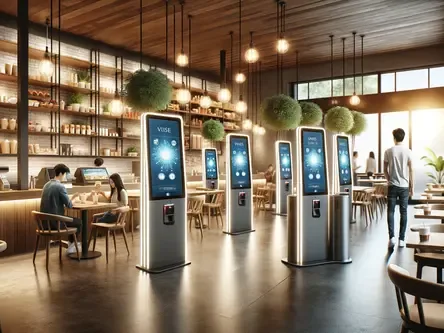
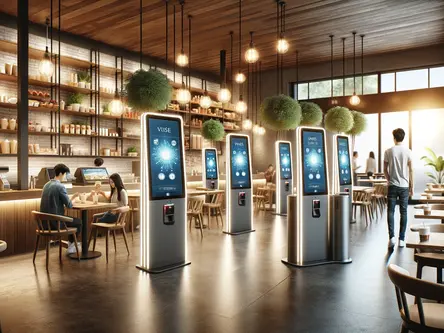
In an era where efficiency, convenience, and innovation steer the course of the quick-service restaurant (QSR) industry, the integration of kiosk technology has emerged as a cornerstone for future developments. As consumer behaviors shift towards more digitally interactive and self-service experiences, QSRs are at a pivotal juncture to adapt and thrive. This blog explores the transformative role of kiosk technology in the QSR landscape, highlighting its benefits, consumer appeal, and the promising horizon it forecasts for the industry.
A Glimpse into Kiosk Technology
Kiosk technology refers to standalone units that allow customers to perform a variety of tasks, from ordering food and beverages to customizing their meals and making payments. These digital interfaces combine user-friendly design with advanced software solutions, offering an alternative to traditional counter service. With the capability to provide service round the clock, kiosks represent a significant leap towards operational efficiency and customer satisfaction.
The Rising Importance of Kiosks in QSRs
The adoption of kiosk technology in quick-service restaurants is not just a trend but a strategic response to evolving market demands. Here are key factors driving its importance:
- Enhanced Customer ExperienceKiosks offer customers control over their ordering process, reducing wait times and order inaccuracies. The interactive menus allow for easy customization of meals, catering to individual preferences and dietary requirements, thereby elevating the overall dining experience.
- Operational EfficiencyBy automating the ordering process, kiosks significantly reduce the workload on staff, allowing them to focus on food preparation and customer service. This shift not only improves the speed of service but also contributes to reducing human error, enhancing operational efficiency.
- Data Collection and PersonalizationKiosks serve as valuable data collection points, providing insights into consumer preferences, order patterns, and peak service times. This data can inform menu adjustments, personalized marketing efforts, and strategic decision-making, paving the way for a more tailored dining experience.
- Economic ViabilityInvesting in kiosk technology can lead to considerable cost savings in the long run. By optimizing labor allocation and increasing order accuracy, QSRs can see a positive impact on their bottom line. Additionally, the appealing, modern interface of kiosks can attract a tech-savvy demographic, further driving sales.
Looking Ahead: The Future of QSRs with Kiosk Technology
The future of quick-service restaurants is intrinsically linked to the adoption and evolution of kiosk technology. As we look ahead, several trends and developments loom on the horizon:
- Integration with Mobile and Online Ordering Platforms:Creating a seamless omnichannel experience that allows customers to interact with the QSR brand across multiple digital touchpoints.
- Advanced Personalization Through AI:Leveraging artificial intelligence to offer personalized recommendations based on previous orders, time of day, and other customer data.
- Sustainability Initiatives:Using kiosk technology to promote eco-friendly practices, such as digital receipts and highlighting plant-based menu options.
- Enhanced Customer Engagement:Incorporating loyalty programs and interactive content into the kiosk experience to deepen customer relationships and encourage repeat business.
Embracing kiosk technology is more than a mere upgrade; it’s a strategic pivot towards a more efficient, engaging, and future-proof QSR industry. As technology continues to evolve, so too will the opportunities for quick-service restaurants to innovate and excel in delivering exceptional dining experiences.
Whether you work with INFI or another, this technology can help independent QSR owners compete with the major brands & franchises around the country.
See what INFI can do for your restaurant
Add self-ordering, online ordering, loyalty, and marketing on top of the POS you already run.
Book a Demo