

What Is Restaurant Automation?
Definition
Restaurant automation refers to the use of digital technology, software systems, and automated tools to streamline operations across a restaurant front of house, back of house, and administrative functions. These technologies are designed to reduce manual tasks, improve accuracy, and support staff by handling repetitive or time consuming processes. Restaurant automation is commonly implemented to improve operational efficiency while maintaining or enhancing the guest experience.
What Restaurant Automation Is Used For
Restaurant automation is used to help restaurants operate more efficiently and consistently, especially during periods of high demand or labor constraints. By automating routine tasks such as order intake, kitchen coordination, inventory tracking, and scheduling, restaurants can reduce friction in daily operations and allow staff to focus on food quality, hospitality, and service. Automation is typically introduced as a support layer rather than a replacement for employees.
Key Areas of Restaurant Automation
Restaurant automation generally spans three core areas.
- Front of House Automation
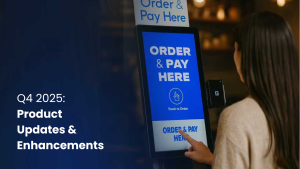
Front of house automation focuses on customer facing interactions. This includes technologies such as self ordering kiosks, QR code menus, digital ordering platforms, automated payment systems, and reservation management tools that help reduce wait times and improve order accuracy.
- Back of House Automation
Back of house automation supports kitchen and food preparation workflows. Common examples include kitchen display systems, automated inventory tracking, digital prep management tools, and in some cases, robotic equipment designed to assist with repetitive cooking or preparation tasks.
- Operational and Administrative Automation
Operational automation includes systems that manage scheduling, inventory forecasting, food safety checklists, reporting, and accounting. These tools help reduce administrative workload and provide better visibility into performance and costs.
How Restaurant Automation Works
Restaurant automation works by connecting multiple digital systems into a unified workflow. Orders placed through kiosks, mobile devices, or staff terminals flow into a point of sale system, which then routes information to the kitchen, inventory systems, and reporting tools. Data collected across these systems allows restaurants to monitor performance, adjust staffing, and make informed operational decisions in real time.
Key Benefits of Restaurant Automation
Common benefits of restaurant automation include the following.
- Improved efficiency. Automated workflows reduce bottlenecks and manual handoffs.
- Labor support. Staff spend less time on repetitive tasks and more time on service.
- Greater accuracy. Digital systems reduce errors in orders, prep, and inventory.
- Consistent operations. Standardized processes lead to predictable outcomes.
- Better data visibility. Automation provides insights into sales, labor, and performance trends.
Where Restaurant Automation Is Commonly Used
Restaurant automation is most commonly used in quick service and fast casual environments, but it is increasingly adopted in full service restaurants, cafes, food courts, and hospitality venues. Any operation with high order volume, tight margins, or complex workflows can benefit from partial automation.
Restaurant Automation vs Manual Operations
Manual restaurant operations rely heavily on staff to manage orders, communication, and tracking across multiple systems. Automation reduces the need for manual coordination by centralizing information and standardizing workflows. Many restaurants adopt automation gradually, combining automated systems with human oversight to maintain flexibility and service quality.
Examples of Restaurant Automation Technologies
Restaurant automation encompasses a wide range of technologies, including the following.
- Self ordering kiosks and digital ordering systems.
- Point of sale and kitchen display systems.
- Automated inventory and supply management tools.
- Reservation and guest management platforms.
- Scheduling, payroll, and reporting software.
These technologies are often deployed together to support end to end restaurant operations

