
Top Marketing Ideas for Quick Service Restaurants (QSRs)
Top QSR marketing strategies to increase foot traffic, online orders, and customer loyalty cost-effectively.

Quick Service Restaurant operators in 2026 are squeezed from both sides: rising food and labor costs on one end, and guests who expect app-level convenience on the other. Winning at marketing is no longer about the biggest ad budget — it's about owning your customer relationship, showing up when people search nearby, and turning every visit into a repeat visit. As competition intensifies, QSRs need creative, measurable approaches to boost visibility and drive profitable sales. Here are the top marketing ideas to help QSRs capture attention, grow average ticket, and build a loyal base:
1. Embrace Digital Ordering and Delivery
Optimized Online Presence: Ensure your website and mobile app are user-friendly, easy to navigate, and optimized for mobile devices, where most QSR orders now start. Promote online ordering and delivery services through your digital channels, add click-to-order buttons to your Google listing and social bios, and place QR codes that drop guests straight into a mobile cart.
Own Your Ordering Channel: Commission-free direct ordering keeps the 15–30% that third-party marketplaces skim off every ticket — and, just as important, it keeps the customer data you need to remarket.
Delivery Partnerships: Partner with popular delivery platforms like DoorDash, Uber Eats, or Grubhub to expand your reach. Highlight special delivery promotions or discounts to incentivize customers to order from your restaurant.
2. Leverage Social Media and Influencer Marketing
Engage on Social Media: Use platforms like Instagram, TikTok, Facebook, and X to share visually appealing content, including new menu items, promotions, and behind-the-scenes glimpses. Post consistently — three to five times a week beats sporadic bursts — and engage your audience through interactive posts, polls, and stories.
Influencer Collaborations: Partner with local micro-influencers or food bloggers to showcase your restaurant. Influencers create authentic content that resonates with their followers, driving traffic to your QSR and increasing brand awareness.
3. Implement Loyalty Programs
Reward Frequent Diners: Develop a loyalty program that rewards repeat customers with points, discounts, or exclusive offers. Enroll guests in seconds at the point of sale or inside your ordering flow — no separate app to download — so sign-up friction never costs you a member.
Personalized Offers: Tailor rewards and promotions based on customer preferences and purchase history. A simple “buy 9, get the 10th free” structure is easy to understand, while a lapsed-customer win-back offer quietly recovers revenue you would otherwise lose. Personalized offers enhance customer satisfaction and encourage repeat visits.
4. Run Targeted Promotions and Limited-Time Offers
Seasonal Promotions: Capitalize on holidays, seasons, or local events by creating limited-time offers or special menu items. Seasonal promotions attract customers looking for festive or themed experiences and give your social channels a fresh reason to post.
Flash Sales and Discounts: Use flash sales or limited-time discounts to create urgency and drive traffic to your QSR. Promote these offers through social media, email marketing, and in-store signage. Target slow dayparts — a 2–4 p.m. deal fills your quietest hours without discounting your rush.
Bundle to Lift Average Ticket: Combo and add-on bundles raise the average order value instead of just shaving margin — pair a best-seller with a high-margin side or drink and let the bundle, not the discount, do the selling.
5. Focus on Customer Experience and Feedback
Enhance In-Restaurant Experience: Create a memorable experience by focusing on speed, service, and cleanliness. Train staff to provide exceptional service and maintain a welcoming atmosphere — for QSRs, consistency and speed are the brand.
Solicit and Act on Feedback: Encourage customers to leave reviews and provide feedback on review platforms. Send a review request by text shortly after a visit. Respond to every review — positive and negative — because public, timely replies signal to prospective diners (and to Google) that you are engaged.
6. Utilize Local SEO and Community-Based Marketing
Own Your Google Business Profile: For a QSR, the Google Business Profile is the single most valuable piece of free marketing real estate. Claim and verify it, keep hours accurate, add fresh photos weekly, list your real menu, and post updates and offers regularly. Profiles that stay active rank higher in the local map pack and earn more “directions” and “call” taps from nearby searchers.
Local Partnerships: Collaborate with local businesses, schools, or community organizations on mutually beneficial promotions or events — sponsor a local sports team, host a fundraiser night, or set up a catering drop for a nearby office.
Geo-Targeted Ads: Use geo-targeted advertising to reach potential customers within a few miles of your door. Promote local deals and specials to attract nearby residents and drive foot traffic to your QSR.
7. Invest in Visual Branding and Signage
Eye-Catching Signage: Invest in high-quality signage inside and outside your restaurant. Well-designed menus, digital menu boards, and window decals attract attention and communicate your brand quickly — crucial when a driver decides in seconds whether to pull in.
Consistent Branding: Keep branding consistent across all marketing materials, including social profiles, website, delivery packaging, and in-store elements. A cohesive brand image builds recognition and trust with customers.
8. Explore Innovative Technology
\n\n\n\nSelf-Ordering Kiosks: Implement self-ordering kiosks to streamline the ordering process and reduce wait times. Kiosks improve order accuracy and, because they suggest add-ons to every guest without rushing them, consistently raise average order value.
Interactive Digital Menus: Use digital menus with dynamic content to showcase promotions, nutritional information, and new items. Day-parting your menu board — breakfast in the morning, combos at lunch — keeps the most relevant items in front of guests as they decide.
9. Create Engaging Content
Recipe and Cooking Videos: Share engaging content such as recipe videos, cooking tips, or behind-the-scenes footage on social media and your website to build brand loyalty.
Local SEO Content: Publish simple, location-focused posts — “best late-night tacos in [your neighborhood],” a new-item announcement, an event recap — so you surface when people search nearby. Fresh content signals an active business to search engines.
Customer Stories and Testimonials: Feature customer stories, testimonials, or user-generated content to build trust and showcase positive experiences with your QSR.
10. Focus on Health and Sustainability
Healthy Menu Options: Offer healthier menu choices and highlight them in your marketing efforts. Emphasize your commitment to balanced options for health-conscious customers, and call out calorie or dietary tags clearly on digital menus.
Sustainable Practices: Promote any sustainability initiatives, such as eco-friendly packaging or waste reduction efforts. Consumers increasingly value brands that prioritize environmental responsibility.
How INFI Powers QSR Marketing — On Top of the POS You Already Run
Most of the ideas above share one requirement: you have to own the customer relationship instead of renting it from a third-party app. INFI is the growth layer that sits on top of whatever POS you already run — Square, Toast, Clover, Lightspeed, or HungerRush — so you don't rip anything out to start marketing smarter. On that foundation, INFI gives QSRs commission-free direct online ordering (keep the 15–30% that delivery marketplaces take, plus the customer data); built-in loyalty and rewards that enroll guests at checkout and bring them back; SMS and text campaigns to re-engage past customers with LTOs and slow-daypart deals; and AI that replies to your Google reviews and publishes local SEO posts automatically, so your Google Business Profile stays active and visible.
The results compound. INFI kiosk merchants see average order value climb 15–30%, AI-assisted upsell at the kiosk has moved attach rates from 7.18% to 8.62% across 78+ merchants, and one merchant saw a 252% jump in Google Maps direction requests over 30 days after activating local SEO. Book a demo to see how the growth layer fits on top of your current setup.
By implementing these marketing ideas, QSRs can effectively capture customer attention, drive sales, and build a loyal customer base. Stay innovative and responsive to market trends to ensure your marketing strategies remain effective and relevant.
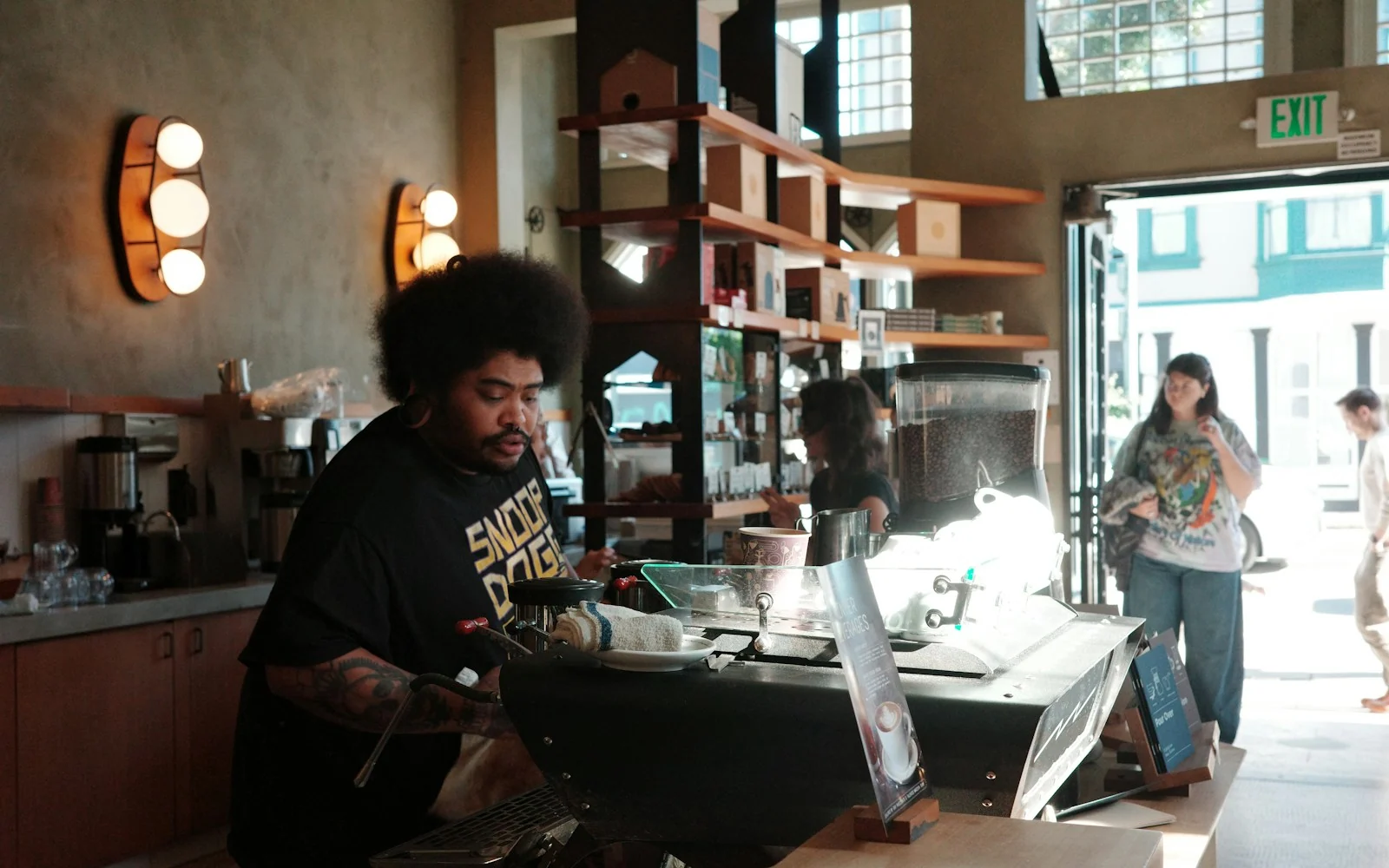
Hero photo by Taylor Vick on Unsplash.
See what INFI can do for your restaurant
Add self-ordering, online ordering, loyalty, and marketing on top of the POS you already run.
Book a Demo