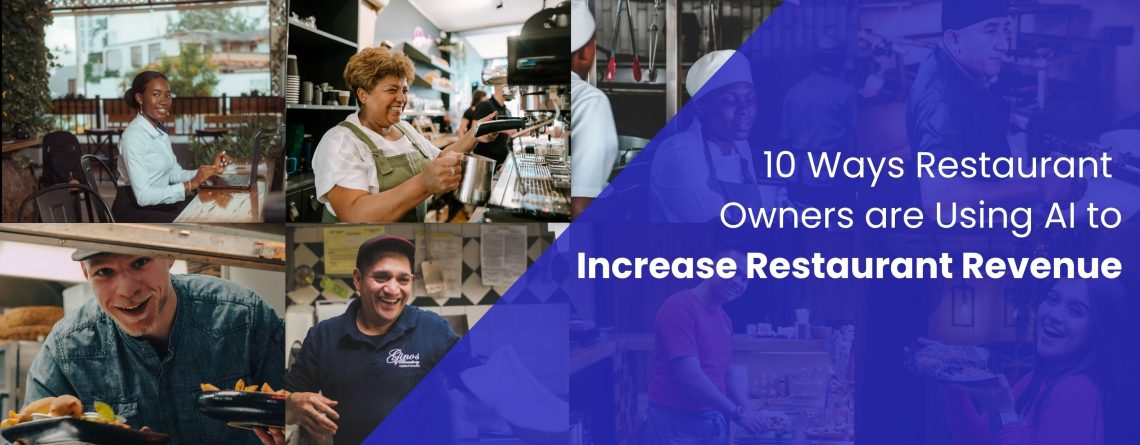

Have you ever invested in new restaurant technology, only to wonder why sales didn’t follow? The problem may not be the tool, but how it’s used. Real growth happens when you start using artificial intelligence in restaurants to build relationships and turn everyday ordering moments into consistent, revenue-driving opportunities.
At INFI, we believe technology should be a facilitator, not just a machine. Our Guided Growth approach works with you over time to optimize self-ordering kiosk performance. Want a taste of how we do it? From smarter upsells to better menu visibility, here are 10 ways to turn your technology into a reliable revenue engine:
1. Automated Smart Upselling
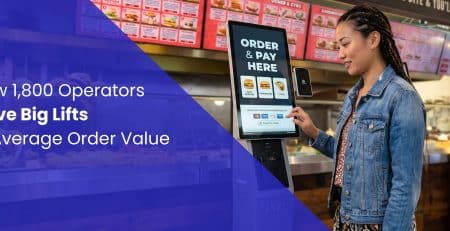
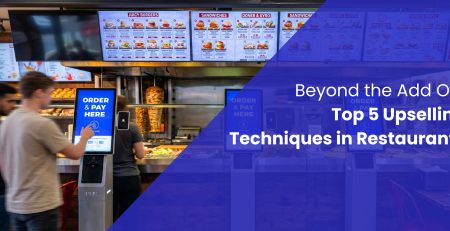
Human cashiers often forget to suggest add-ons when the line is long. AI never gets tired and never forgets to ask. By suggesting drinks or extra toppings based on what is already in the cart, INFI kiosks increase average check sizes by an average of 25%. This ensures every guest sees the most relevant options to complete their meal.
2. Personalized Quick Buy Experiences
Speed is a form of hospitality. For returning guests, AI can leverage Quick Buy features to streamline the checkout process. This reduces friction and allows your team to handle a higher volume of orders during peak hours. When guests feel recognized and valued, they are more likely to return.
3. Dynamic Time-Based Menu Engineering
Your menu should work as hard as your kitchen staff. You can use AI to automatically switch between breakfast, lunch, and dinner menus. This allows you to automate discounts during slow periods to drive traffic without increasing manual labor costs. It ensures the right items are always front and center for your guests.
4. Intelligent Combo Logic
Bundling popular sides with main entrees is a proven way to increase revenue. Using intelligent combo logic, the system suggests well-paired options and removes the guesswork for the guest and eases staff pressure. It turns a simple order into a complete, high value meal every time.
5. High Margin Item Promotion
People eat with their eyes, leverage it. Highlight your most appealing items as default recommendations or feature them on customizable kiosk sliders when the device is idle. High resolution photography stimulates appetite and drives interest in the items that help your business grow the most.
6. AI Powered Data Collection and Retention
Digital ordering is the best way to capture guest information. By collecting emails and phone numbers during the process, you build a database for automated SMS and email marketing. Sending a Taco Tuesday alert to a regular guest is a simple way to drive repeat visits and build lifetime value.
7. Strategic Loyalty Integration
Loyalty should be easy for the guest to use and easy for you to manage. When you sync loyalty programs across kiosk, mobile, and online channels, you create a unified experience. Data shows that customers using multiple digital channels visit 45% more often than those who do not.
8. Optimized Labor Allocation
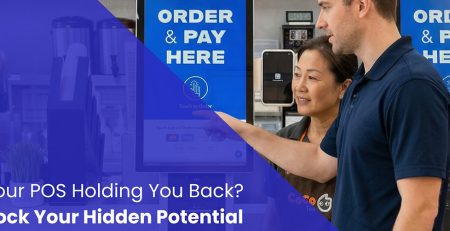
Think of your self-ordering kiosk as an extra cashier that never calls in sick. By moving staff from order taking to production or greeter roles, you increase your throughput. This allows you to process more orders per hour without adding to your labor budget. It makes your entire operation more efficient.
9. Real Time Inventory Management
Nothing kills guest trust faster than ordering an item that is out of stock. A central dashboard allows you to mark items as unavailable in seconds across all platforms. This prevents the loss of customer trust and the headache of processing refunds. It keeps your operations running smoothly.
10. Advanced Analytics for Menu Optimization
Expert operators make decisions based on data, not guesses. Advanced AI reporting allows you to track top sellers and category performance through cross sell reports. You can identify exactly which modifiers or add-ons are most successful and use that insight to further refine your growth playbooks.
If you’re ready to stop just taking orders and start owning your guest relationships, increase check sizes, and improve efficiency, connect with an INFI growth partner today to see how these strategies can work in your specific locations.
INFI
We firmly believe that the internet should be available and accessible to anyone, and are committed to providing a website that is accessible to the widest possible audience, regardless of circumstance and ability.
To fulfill this, we aim to adhere as strictly as possible to the World Wide Web Consortium’s (W3C) Web Content Accessibility Guidelines 2.1 (WCAG 2.1) at the AA level. These guidelines explain how to make web content accessible to people with a wide array of disabilities. Complying with those guidelines helps us ensure that the website is accessible to all people: blind people, people with motor impairments, visual impairment, cognitive disabilities, and more.
This website utilizes various technologies that are meant to make it as accessible as possible at all times. We utilize an accessibility interface that allows persons with specific disabilities to adjust the website’s UI (user interface) and design it to their personal needs.
Additionally, the website utilizes an AI-based application that runs in the background and optimizes its accessibility level constantly. This application remediates the website’s HTML, adapts Its functionality and behavior for screen-readers used by the blind users, and for keyboard functions used by individuals with motor impairments.
If you’ve found a malfunction or have ideas for improvement, we’ll be happy to hear from you. You can reach out to the website’s operators by using the following email Marketing@INFI.us
Our website implements the ARIA attributes (Accessible Rich Internet Applications) technique, alongside various different behavioral changes, to ensure blind users visiting with screen-readers are able to read, comprehend, and enjoy the website’s functions. As soon as a user with a screen-reader enters your site, they immediately receive a prompt to enter the Screen-Reader Profile so they can browse and operate your site effectively. Here’s how our website covers some of the most important screen-reader requirements, alongside console screenshots of code examples:
Screen-reader optimization: we run a background process that learns the website’s components from top to bottom, to ensure ongoing compliance even when updating the website. In this process, we provide screen-readers with meaningful data using the ARIA set of attributes. For example, we provide accurate form labels; descriptions for actionable icons (social media icons, search icons, cart icons, etc.); validation guidance for form inputs; element roles such as buttons, menus, modal dialogues (popups), and others. Additionally, the background process scans all the website’s images and provides an accurate and meaningful image-object-recognition-based description as an ALT (alternate text) tag for images that are not described. It will also extract texts that are embedded within the image, using an OCR (optical character recognition) technology. To turn on screen-reader adjustments at any time, users need only to press the Alt+1 keyboard combination. Screen-reader users also get automatic announcements to turn the Screen-reader mode on as soon as they enter the website.
These adjustments are compatible with all popular screen readers, including JAWS and NVDA.
Keyboard navigation optimization: The background process also adjusts the website’s HTML, and adds various behaviors using JavaScript code to make the website operable by the keyboard. This includes the ability to navigate the website using the Tab and Shift+Tab keys, operate dropdowns with the arrow keys, close them with Esc, trigger buttons and links using the Enter key, navigate between radio and checkbox elements using the arrow keys, and fill them in with the Spacebar or Enter key.Additionally, keyboard users will find quick-navigation and content-skip menus, available at any time by clicking Alt+1, or as the first elements of the site while navigating with the keyboard. The background process also handles triggered popups by moving the keyboard focus towards them as soon as they appear, and not allow the focus drift outside it.
Users can also use shortcuts such as “M” (menus), “H” (headings), “F” (forms), “B” (buttons), and “G” (graphics) to jump to specific elements.
We aim to support the widest array of browsers and assistive technologies as possible, so our users can choose the best fitting tools for them, with as few limitations as possible. Therefore, we have worked very hard to be able to support all major systems that comprise over 95% of the user market share including Google Chrome, Mozilla Firefox, Apple Safari, Opera and Microsoft Edge, JAWS and NVDA (screen readers).
Despite our very best efforts to allow anybody to adjust the website to their needs. There may still be pages or sections that are not fully accessible, are in the process of becoming accessible, or are lacking an adequate technological solution to make them accessible. Still, we are continually improving our accessibility, adding, updating and improving its options and features, and developing and adopting new technologies. All this is meant to reach the optimal level of accessibility, following technological advancements. For any assistance, please reach out to Marketing@INFI.us
If you're unsure, please reach out to support@infi.us.

