
Kiosk + KDS: Why Order Accuracy Jumps When They’re Synced
Kiosk + KDS integration kills the re-keying handoff where orders go wrong. Syncing the two screens lifts order accuracy — and average order value.
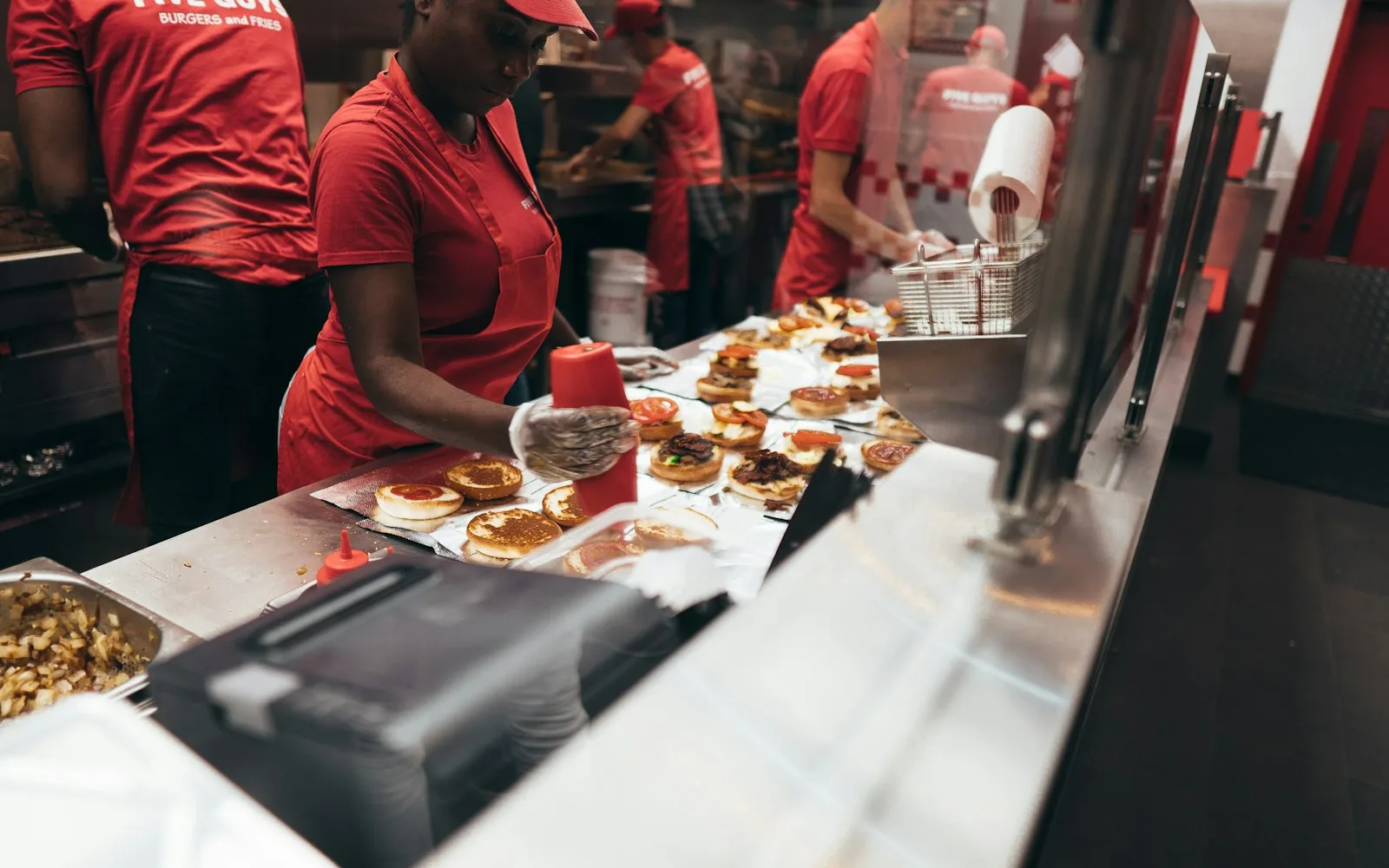
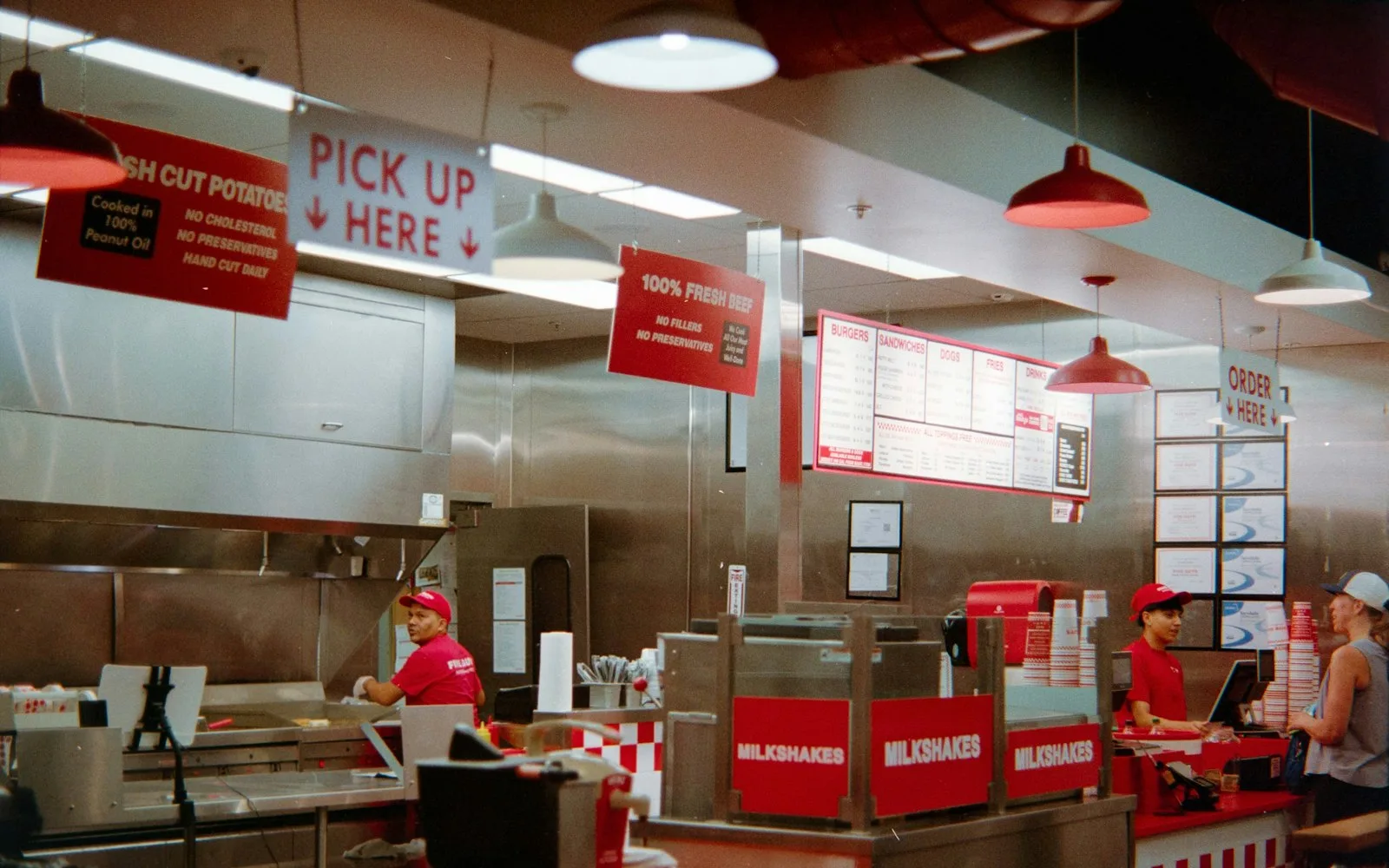
A guest taps through a kiosk, builds their order exactly the way they want it — extra shot, no ice, sauce on the side — pays, and finds a seat. Then the order has to reach the line. If that handoff means a line cook squinting at a printed ticket, or a manager re-keying the order into a separate kitchen screen, you have just introduced one of the most common places order accuracy leaks: the gap between where the order was placed and where it gets made.
That gap is exactly what a kiosk + KDS integration closes. When the self-ordering kiosk and the kitchen display system are genuinely synced — not just sitting on the same counter — the order the guest built is the order the kitchen sees, character for character. You already know kiosks and KDS each help on their own; the real question is whether wiring them together is worth it. It is, and here is the mechanism.
Where order errors actually come from
Most kitchen mistakes aren't the cook's fault. They're handoff failures. Every time an order changes hands or changes format, accuracy erodes a little:
- Re-keying: Someone reads the order off one screen and types it into another. Modifiers get dropped, quantities get fat-fingered.
- Verbal relay: "Two lattes, one oat" shouted down a loud line. The oat milk vanishes by the time it reaches the espresso machine.
- Paper tickets: Thermal printers jam, fade, or spit out modifiers in an order the cook has to decode. "No onion" ends up below the fold.
- Lost context: Allergen notes, course timing, dine-in vs. takeout — the stuff that lives in a comment field is the first thing a manual step throws away.
A kiosk is great at capturing a precise order because the guest builds it themselves — no interpretation, no mishearing. But that precision is worthless if it degrades on the way to the pass. The integration is what preserves it.
What "synced" actually means
Syncing is not two devices plugged into the same outlet. It means the kiosk writes the order to the kitchen display as structured data the instant the guest pays — item, every modifier, quantity, special instructions, order type, and timing — with no human retyping anything in between.
The KDS then treats that order as a first-class ticket: it can route items to the right station, fire courses in sequence, and time the make. Because the data arrived intact, the cook is reading the guest's actual intent, not a lossy copy of it.
Why accuracy jumps when the two screens talk
Once the manual step is gone, several things improve at the same time:
- Modifiers survive the trip. "Half sweet, light ice, add boba" lands on the KDS exactly as the guest tapped it. Nothing to mishear or retype.
- Zero transcription errors. You can't fat-finger an order you never re-enter. This alone removes a whole category of remakes.
- Orders hit the line in real time. No walking a ticket over, no printer queue. The kitchen sees it the moment payment clears, so tickets don't pile up during a rush.
- Status closes the loop. When the cook bumps an item complete on the KDS, that status can flow back to a customer display or the guest's number — so "ready" means ready, not "probably done."
- Fewer voids and comps. Every wrong plate is food cost, labor, and a slower line. Removing the handoff eliminates a leading cause of remakes.
The compounding effect matters most at peak. A manual relay that works fine at 10 a.m. falls apart at the noon rush — precisely when errors are most expensive. A synced pipeline holds its accuracy at any volume because throughput doesn't depend on someone keeping up with a keyboard.
What to look for when evaluating an integration
Not every "kiosk and KDS" pairing is truly connected. When you assess options, confirm the integration actually does the following:
- Passes full modifier detail and special instructions, not just the item name.
- Carries order type (dine-in, pickup, curbside) so the kitchen preps and packages correctly.
- Supports station routing and course firing from the incoming order.
- Sends completion status back to a guest-facing screen or paging system.
- Works alongside your existing POS rather than forcing a rip-and-replace of the system that runs your register.
That last point is where a lot of restaurants get stuck. Your POS already handles payments, reporting, and inventory. The goal is to add synced ordering screens on top of it — not to relaunch your entire tech stack to get two devices to talk.
Accuracy is only half the payoff
The reason to connect the two screens isn't only fewer mistakes. Self-ordering kiosks typically lift average order value by roughly 15–30%, because guests upsize and add modifiers more freely when they're not rushing a cashier. Those bigger, more customized orders are exactly the ones most likely to break in a manual handoff — more items, more modifiers, more to get wrong.
So the integration protects the upside the kiosk creates. A larger, more complex order is worth more only if it arrives in the kitchen correct. Sync is what lets you capture the higher ticket and deliver it right.
How INFI KITCHEN fits
INFI layers on top of the POS you already run — Square, Toast, Clover, Lightspeed, HungerRush — so you keep your register and add growth tooling around it. On the floor, that means self-ordering kiosks, KDS, and customer displays designed to work as one pipeline: the guest builds the order, it writes straight to the kitchen screen, and status flows back — no re-keying anywhere in the middle.
The same order data feeds commission-free online ordering and loyalty, so kiosk, web, and app orders all land on the KDS the same way. Real results in the field: PJ's Coffee saw a 45% lift in average order value, Juice Press +15% per order, and Oak View Group venues doubled basket size. INFI is used by 1,800+ restaurants, is backed by a $12M Series A, and was founded by Lucas Liu, Ph.D., a former restaurant operator — with the goal of easing labor strain and elevating the guest experience without flattening your brand.
If you want to see a synced kiosk-to-kitchen flow on your own menu — modifiers, routing, status, and all — Book a Demo and we'll walk your line through it. Call 888-857-9831 or email support@infi.us.
See what INFI can do for your restaurant
Add self-ordering, online ordering, loyalty, and marketing on top of the POS you already run.
Book a Demo