
Smart Restaurant Technology in 2026: The Tools That Actually Grow Revenue
A practical guide to smart restaurant technology in 2026 — self-ordering kiosks, commission-free online ordering, KDS, loyalty, and AI that markets for you — and how they work together on the POS you already run.
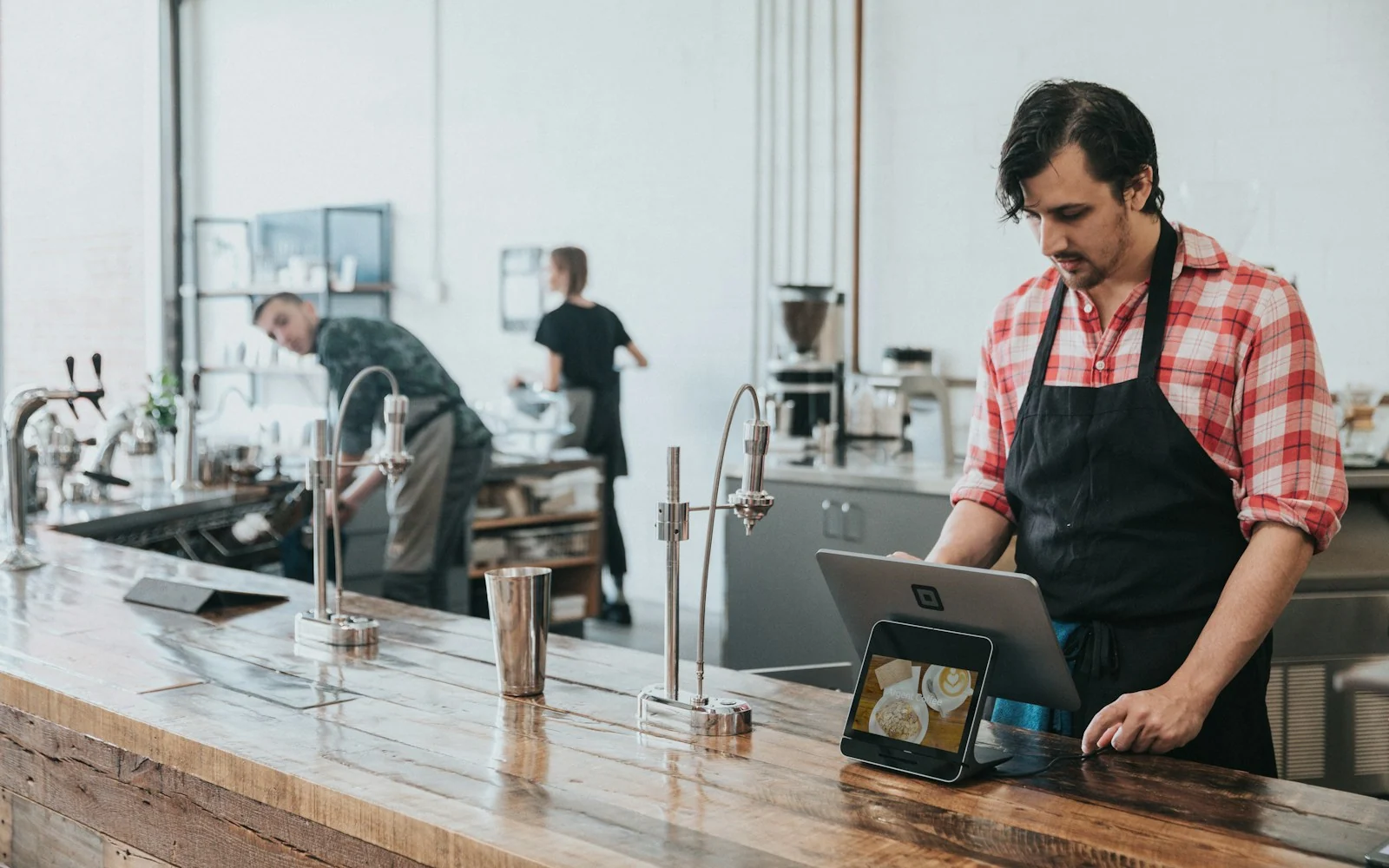
“Smart restaurant technology” gets used to sell everything from robot fryers to AI that supposedly runs your whole business. Most of it is noise. The technology that actually matters to an independent or small-chain restaurant in 2026 is far more down to earth: a connected set of tools that either grows revenue or saves you hours — and ideally does both — running on top of the POS you already have.
Buy technology that grows revenue or gives you time back. If a tool cannot clearly do one of those, it is a gadget, not smart restaurant technology.
What actually counts as smart restaurant technology
Forget the gimmicks. Here is the stack that moves the numbers for counter-service and QSR restaurants — and why each piece earns its place.
1) Self-ordering kiosks
A self-ordering kiosk lets guests browse at their own pace, customize without pressure, and — crucially — get offered the add-on a rushed cashier forgets, every single time. That consistent upsell is why we see kiosks lift average order value 15–30% versus the counter, while also shortening lines and freeing staff for the guests who still want a human.
2) Commission-free online ordering
Guests expect to order from a phone. The only question is whether you keep that revenue or rent it. Direct, commission-free online ordering on your own site keeps the margin and the guest data with you, instead of handing 20–30% to a marketplace on every order.
3) A kitchen display system
Paper tickets get lost and re-keyed. A kitchen display system (KDS) routes every order — counter, kiosk, web and app — onto one screen in the kitchen in real time, so nothing is missed and the line stays organized through a rush.
4) Loyalty that works everywhere
Repeat guests are far cheaper than new ones. A loyalty program that works the same across the counter, the kiosk and online — and that you own on any POS — turns one-time visitors into regulars and gives you a direct channel to market to them.
5) Marketing that runs itself
This is where “AI” finally earns its keep for small restaurants — not as a gimmick, but as hours you get back. INFI’s growth tools will reply to every new Google review in your brand voice, publish SEO blog and Google posts from real search demand, and keep your local SEO and listings tuned — the steady marketing work most owners never find time to do by hand.
6) Digital menu boards and signage
Dynamic digital menu boards update instantly when you change a price or sell out, promote high-margin items right at the point of decision, and spare you the cost and hassle of reprinting static menus every time something changes.
- Does it grow revenue or save hours? If you cannot name which, skip it.
- Does it connect to your POS? A tool with its own separate menu and reports creates work, not leverage.
- Does one menu drive every channel? Update a price once and it should change everywhere.
- Do you own the guest data? If the vendor owns your customers, it is their asset, not yours.
- Can you start small? The best stacks let you add one piece, prove it, then grow.
The real secret: it should all connect
The restaurants that win with technology are not the ones with the most gadgets — they are the ones whose tools talk to each other. The difference between a pile of point solutions and a genuine growth layer is whether everything reads from the same menu and reports into the same place.
- A separate menu to maintain for each tool
- Orders re-keyed between systems
- Reports that never quite reconcile
- Guest data scattered across vendors
- Kiosk, online, loyalty and signage share one menu
- Every channel’s orders land in the same kitchen
- One view of revenue by channel
- You own the guest data — on any POS
Start with one wedge
You do not need the whole stack on day one. Most operators start with a kiosk or commission-free online ordering, prove the lift, then connect loyalty, marketing and the rest — all on the POS they already run (Square, Clover, Toast or Lightspeed). Book a free INFI demo and we will show you smart restaurant technology working on your own menu.
Hero photo by Nathan Dumlao on Unsplash.
See what INFI can do for your restaurant
Add self-ordering, online ordering, loyalty, and marketing on top of the POS you already run.
Book a Demo