
What Is a QSR Experience? (And How to Improve It in 2026)
What makes a great quick-service restaurant (QSR) experience — speed, accuracy, convenience — and six ways to improve yours in 2026.

Everywhere you look, there are dining options — mom-and-pop shops, fast-casual chains, drive-thrus and delivery apps all competing for the same hungry guest. IBISWorld counts more than 200,000 fast-food establishments in the U.S. alone. In a market that crowded, many restaurants live or die by one thing: the quick service restaurant (QSR) experience they deliver.
A QSR experience is the end-to-end service a fast, counter-first restaurant gives its guests — how quickly, accurately and pleasantly they get good food. Restaurants need to understand what it is, how it differs from fast-casual dining, and the concrete steps that make it better. We have pulled together the essentials below, along with actions you can take right away.
A great QSR experience is fast, accurate, affordable and still pleasant. Win on all four and guests come back; miss one and they remember it.
What is a QSR experience?
The quick service restaurant — more commonly called fast food — is built around functionality: serving a large volume of guests as quickly and consistently as possible. Think McDonald’s, Subway and Burger King, but also the independent burger joint, taqueria or boba shop down the street. The format matters more than the brand: order fast, pay fast, eat fast, at a price that does not make anyone think twice.
Characteristics of QSRs
Guests who choose a QSR arrive with clear expectations — good food, fast, at a fair price. Restaurants that consistently meet them tend to share the same traits, whatever they happen to serve.
A focused menu
QSRs skip the multi-page menu. A tighter list — a few burgers, a couple of wraps, a signature drink — does two things. It keeps the kitchen fast, because the line is only ever making a dozen or so items. And it helps the brand stand for something: you go to one place for the great burger, another for fast Tex-Mex. Fewer items, made well and quickly, beat a sprawling menu made slowly.
Accessible pricing
Price is part of the promise. QSRs generally keep entrees in the single-digit to low-teens range and lean on value menus, limited-time specials and app-only deals to stay competitive with everyone else chasing the same guest. Holding that price point is hard when costs rise — which is exactly why keeping orders direct (no 20–30% marketplace cut) and bringing regulars back through loyalty matter so much to the math.
Takeout-first
While some QSRs have dining rooms, the majority of their business is off-premise: walk-up and carry out, the drive-thru, or order online and pick up. Takeout has always suited guests who want a quick meal on the go, and the shift to digital ordering has only deepened it. A smooth off-premise flow is no longer optional — it is where the majority of orders now start.
No table service
You will not be seated by a host or order from a server at a QSR. You read a menu on the wall or a screen, order with a cashier or kiosk, and seat yourself. Cutting out the server is how QSRs stay fast — which puts even more weight on the ordering step itself being quick and error-free.
The difference between QSR and fast casual
Fast casual is a newer format that blends QSR speed with a nicer room and higher-quality food — think Panera Bread, Chipotle and Jimmy John’s. Guests pick it when they want a step up without paying full-service prices. Like QSRs, fast-casual spots rarely offer table service and move high volume, but they differ on three things:
- Quality: fast-casual food is typically fresher or more premium.
- Ambiance: more comfortable seating, lower lighting, better music.
- Pricing: fast casual usually charges more than a QSR.
6 ways to improve your QSR experience
The competition for QSR guests is relentless, so the experience has to be good even though it is quick. Here are six ways to please your regulars, win new guests, and keep the shop across the street from eating into your sales.
1) Make the room pleasant
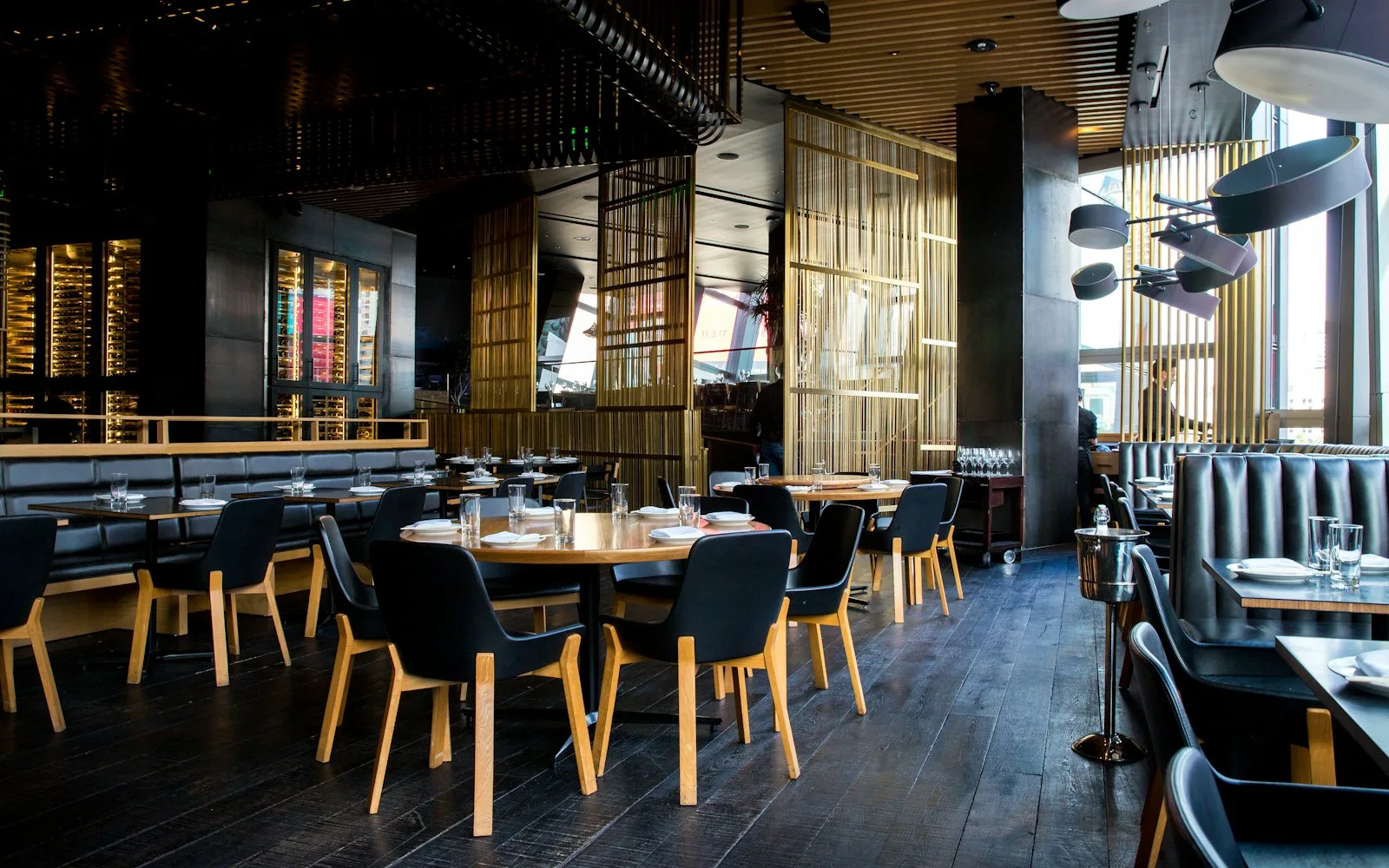
A quick visit can still feel good. Trading hard plastic for comfortable seating, softening the lighting, and choosing music that fits your vibe all quietly set a QSR apart. Guests may not consciously notice a well-designed room — but they feel the difference, and they come back to the place that was nicer to sit in.
2) Reward people for coming back
A loyalty program is one of the most reliable ways to turn a one-time guest into a regular — points, easy reordering and the occasional freebie give people a reason to choose you again. With INFI, loyalty runs the same across the counter, the kiosk and online ordering, so a guest earns and redeems consistently no matter how they order — and you get a direct line to bring them back.
3) Serve the best food in town — consistently
When all is said and done, people come for the food. Make it fresh, hot and the same every single time; a soggy burger or fries that sat under a lamp undo everything else. Consistency during a rush is the hard part, and a kitchen display system helps your line keep orders organized and accurate when the tickets pile up.
4) Cut the wait
Nothing sours a QSR visit like a long line. Understaffing, an unprepared kitchen and bottlenecks at the register all stretch the wait and color the guest’s whole impression. Staff well, train every team member thoroughly, and — just as important — give guests more than one way to order, so the counter, the kiosk and the phone can all take orders at once instead of forming a single queue.
5) Make it feel personal
Guests respond to being recognized. A loyalty profile lets you greet regulars by their usual order and send offers they actually want, rather than blasting everyone the same coupon. Tailored, relevant offers earn a far warmer response — and they cost less than discounting across the board.
6) Add self-ordering kiosks
Today’s guests want control over the order, and self-service kiosks give it to them: browse at their own pace, customize without pressure, and skip the line entirely. The appetite is real — Tillster’s 2025 report found 61% of QSR and fast-casual guests want more kiosks to order from. Kiosks also upsell consistently, which is why we see them lift average order value 15–30% versus the counter. There are, of course, pros and cons to fast-food kiosks — but for most QSRs the speed and the order-value lift tip the balance.
Build a better QSR experience with INFI
Great fast food is fast, accurate, affordable and still pleasant — and the technology around the order is how you hit all four at once. If you are ready to serve guests faster and bring them back more often, add self-ordering kiosks, loyalty and online ordering that all run on the POS you already have. Get a free demo from INFI to see it on your own menu.
See what INFI can do for your restaurant
Add self-ordering, online ordering, loyalty, and marketing on top of the POS you already run.
Book a Demo